Analysis Report: FT on the OPEC Withdrawal Announcement and Its Impact on the Global Oil Market
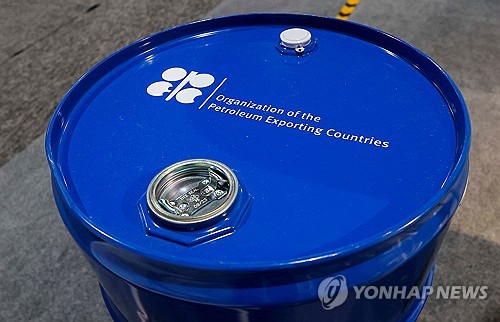
Market Summary and Analysis
Tension is spreading through the international oil market as the United Arab Emirates officially announced its withdrawal from OPEC and OPEC+ effective the 1st of next month.
The Financial Times judged that it would not be fatal to the OPEC system unless other oil-producing countries follow with a chain of withdrawals, but forecast that a weakening of OPEC's influence over the global oil market is inevitable.
Key Issues in OPEC's Power Structure
Saudi Arabia's stronger dominance and its dilemma: with the departure of the UAE, which has clashed with Saudi Arabia for nearly 10 years over expanding production quotas, Saudi Arabia's decision-making power within OPEC is expected to become even stronger.
However, there is also the risk that Saudi Arabia will have to bear the full burden of implementing production cuts.
OPEC's shrinking grip on the market: OPEC's share of global oil production has now shrunk to about 40%, and combined with the massive expansion of U.S. output, the cartel's control over prices has weakened markedly compared with the past.
Implications for Investors
The UAE's withdrawal from OPEC has not caused an immediate collapse in oil prices, but in the long run it suggests weakening OPEC cohesion and the possibility of oversupply.
To prepare for greater volatility in international oil prices, investors should respond flexibly, taking a comprehensive look at geopolitical risks in the Middle East and trends in U.S. output, rather than blindly increasing their exposure to the refining and energy sectors.