Report: Analysis of Strong Semiconductor Exports and the Ripple Effects of the Middle East Situation
Market Situation Summary and Analysis
Exports from April 1 to 10, boosted by the semiconductor boom, rose 36.7% year on year to 25.2 billion dollars, setting an all-time high
Imports also rose 12.7% due to higher energy prices, but the trade balance posted a surplus of 3.1 billion dollars
Key Issues in Export and Import Trends
Semiconductors dominate while autos lag: The overwhelming top contributor to export growth was semiconductors, which posted a record increase of as much as 152% and accounted for 34% of total exports
By contrast, passenger cars and auto parts, which had been star export items, contracted, revealing clear polarization between industries
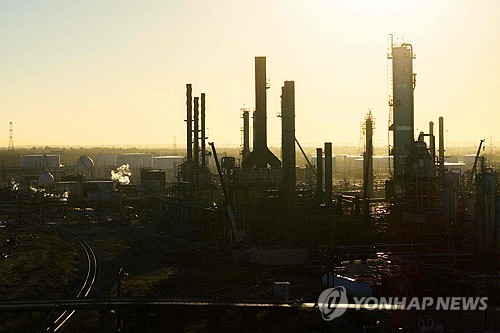
Middle East risk and an energy import emergency: As the Middle East situation worsened and the Strait of Hormuz was blockaded, crude oil imports from Saudi Arabia plunged 50.6%, putting global energy supply chains on alert.
Oil prices rising together with a high exchange rate pushed energy imports such as crude oil and gas up 13.1%, raising concerns that inflationary pressure will intensify going forward
Implications from an Investor's Perspective
Investors should maintain a strategy of concentrating their portfolios firmly around the semiconductor value chain
In addition, they need to respond flexibly to global macroeconomic trends, while also watching for a surge in international oil prices as the Middle East war drags on and the possibility of short-term windfall gains for the refining and shipping sectors