Analysis Report: The Overhaul of U.S. Steel Tariffs and Its Impact on Korea's Export Industries
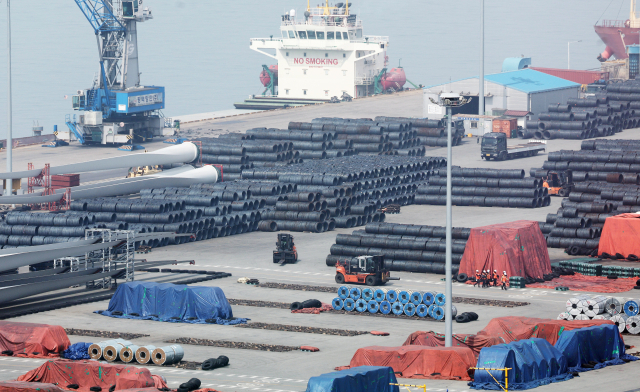
Market Summary and Analysis
The U.S. Trump administration has completely overhauled the way it imposes tariffs on steel, aluminum, copper and derivative products under Section 232 of the Trade Expansion Act
In response, the Ministry of Trade, Industry and Energy held an emergency video conference with major industry associations to review the impact on domestic industries and began preparing countermeasures
Key Points of the Tariff Overhaul
The previous complex standard based on the value of metal content is abolished, and tariffs are imposed uniformly based on the total price of the finished product
Items made almost entirely of metal will face a 50% tariff, and derivative products with a large proportion of the relevant metal will face a 25% tariff
Industrial machinery and power grid equipment will be subject to a temporary 15% rate until next year, and products with a metal weight of less than 15%, such as cosmetics, chemical products and foodstuffs, are exempt
Implications for Investors
The abolition of the obligation to calculate content value has reduced the administrative burden, but Korea's home appliance and auto parts industries, which export derivative products such as washing machines and refrigerators, now face pressure from rising costs due to the uniform 25% tariff
As the system takes effect as soon as the 6th, investors should closely check changes in the export profitability of related companies in the second quarter, and since the share prices of companies in the export value chain may become more volatile depending on trade cooperation with major economies such as the EU, conservative risk management is needed