Analysis Report on the Paradigm Shift in the U.S. Drone Industry and Investment Opportunities
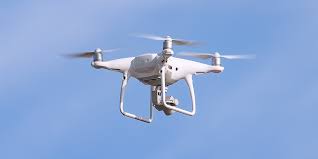
Background of the Trump family's entry into the drone industry
Recently, U.S. President Donald Trump's two sons have drawn a lot of attention by making a surprise investment in Powerus, a U.S. drone startup
Going beyond a simple investment, they are even pursuing a stock market listing through a reverse merger with a NASDAQ-listed golf course operator
This move is directly linked to the U.S. Department of Defense's drone dominance program, under which it plans to invest about 1.6 trillion won by next year to procure hundreds of thousands of small U.S.-made drones in bulk
In particular, as the importance of drones as low-cost, high-efficiency weapons is being highlighted more than ever in modern warfare amid intensifying armed conflict with Iran, it is interpreted as a strategic move to get ahead in the enormous defense procurement market
The exit of Chinese drones and the windfall for U.S. drones
Chinese companies currently hold an overwhelming share of the global commercial small drone market
However, the U.S. Federal Communications Commission has effectively banned the import and sale of new Chinese drone models outright, citing threats to national security
To fill the gap created by these strong regulations, the U.S. government is aggressively pushing to strengthen domestic drone manufacturing capabilities
As a result, a golden age has arrived for local U.S. drone manufacturers, opening up enormous government funding and exclusive military supply opportunities
Large-scale investment by Korean private equity fund KCGI
Notably, KCGI, a well-known Korean private equity fund manager, also made a large investment of about 70 billion won in the Powerus merger process through its innovation growth fund
This reflects a strong will for Korean capital to play a key role in building a U.S.-centered allied drone supply chain network and to contribute to reducing dependence on non-allied countries
It is a very meaningful investment case suggesting that the room for Korean companies and capital to participate in the restructuring of global defense supply chains is widening
Future drone industry investment strategy and key points to watch
Going forward, when approaching the drone industry, one should focus on its value as military defense weaponry rather than as simple flying devices
Local U.S. autonomous drone companies fully equipped with top-level security technology and mass production capabilities that can meet the U.S. Department of Defense's procurement standards will be the first and biggest beneficiaries
Furthermore, the benefits will spread widely to companies in the component supply chain that manufacture AI autonomous navigation software, high-capacity batteries and advanced ultra-precision sensors mounted on drones
Investors need a strategy of closely tracking the U.S. government's specific defense budget execution and regulatory measures on Chinese products while selecting key companies included in the giant value chain centered on U.S. allies