Analysis of the U.S. Tariff Policy Shift and Its Impact by Sector
Key summary
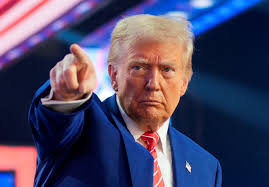
Following the U.S. Supreme Court's ruling that it was unconstitutional, the Trump administration's tariff policy has shifted to Plan B
The market's main driver is shifting from external variables such as tariffs to the semiconductor cycle and corporate fundamentals
When short-term corrections occur due to global uncertainty, a strategy of using them as buying opportunities is effective
Comparison of beneficiary and affected sectors
| Category | Key sectors | Expected market impact |
|---|---|---|
| Beneficiaries | Shipbuilding, defense, nuclear power | Positive momentum maintained on expectations of policy support and expanding orders |
| Affected | Semiconductors, autos, secondary batteries, steel | Greater short-term volatility due to high tariffs and stronger trade barriers |
Detailed analysis of beneficiaries
Shipbuilding
Related companies: HD Hyundai Heavy Industries, Samsung Heavy Industries, Hanwha Ocean
Analysis: Positive share price momentum is expected on rising demand for naval vessel maintenance in the U.S. and expectations of more orders for energy carriers
Defense
Related companies: Hanwha Aerospace, Hyundai Rotem, LIG Nex1
Analysis: Export momentum is expected to continue amid ongoing geopolitical tensions and U.S. demands that its allies increase defense spending
Nuclear power
Related companies: Doosan Enerbility, KEPCO Engineering & Construction, HD Hyundai Electric
Analysis: Benefits are expected as explosive growth in power demand from AI data center operations increases the need to expand baseload power
Detailed analysis of affected sectors
Semiconductors
Related companies: Samsung Electronics, SK hynix, Hanmi Semiconductor
Analysis: There is a risk of global supply chain restructuring, but strategic items such as server memory and HBM are likely to be exempt from tariffs, so the actual impact may be limited
Autos
Related companies: Hyundai Motor, Kia
Analysis: If universal tariffs are applied, there are concerns about weaker price competitiveness and slowing sales for export volumes to the U.S.
Secondary batteries
Related companies: LG Energy Solution, POSCO Future M, EcoPro BM
Analysis: The possibility of policy changes to the Inflation Reduction Act, combined with concerns about a chasm in global EV demand, could increase share price volatility
Steel
Related companies: POSCO Holdings, Hyundai Steel
Analysis: If Section 232 of the Trade Expansion Act is applied more broadly, a direct tariff hit is unavoidable, so this sector calls for a conservative approach
Investment strategy and implications
Refrain from switching Rather than forcing portfolio changes between sectors, it is better to stay with the current market leaders and watch market volatility
Buy on corrections If uncertainty grows around Trump's State of the Union address or major diplomatic events and the market corrects, we recommend using it as an opportunity to buy in installments, focusing on blue chips
Prepare for an earnings-driven market Since the market's attention is likely to shift quickly to Nvidia's earnings release, you should focus on companies with solid fundamentals